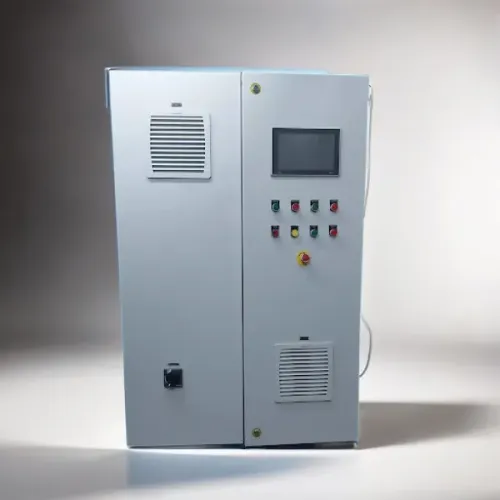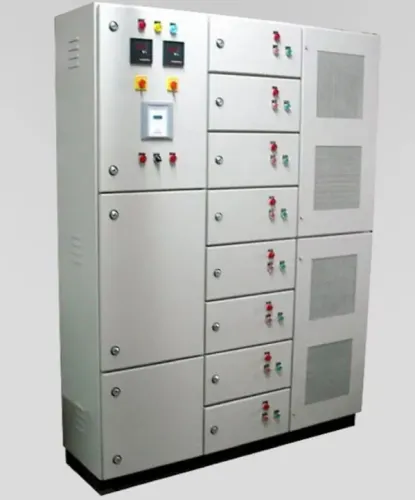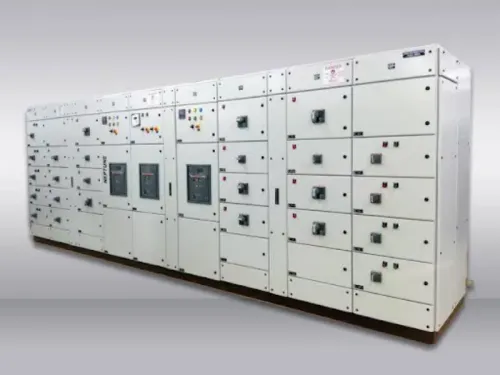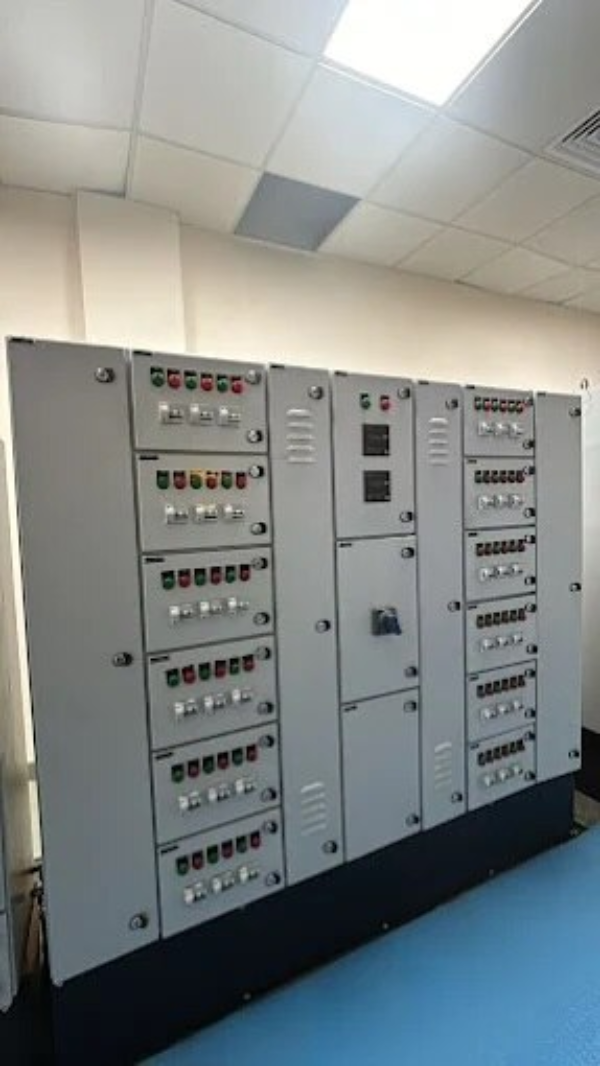
Industrial electrical panels are long-term infrastructure rather than disposable equipment. Before issuing a purchase order to an Industrial Panel Manufacturer, procurement teams should evaluate whether the proposed system will remain practical throughout installation, production, maintenance, and future expansion.
For manufacturing facilities in Pimpri Chinchwad, Maharashtra, these seven checks provide a useful evaluation framework.
1. Confirm the Electrical Ratings
Start with fundamentals.
Verify system voltage, incomer rating, outgoing feeder ratings, busbar capacity, fault level, protection requirements, control voltage, and environmental conditions.
Ratings should be based on engineering requirements rather than assumptions from similar projects.
2. Review Approved Component Makes
The quotation should clearly identify important switchgear and control components.
This matters for technical compliance, spare availability, standardization, and maintenance.
If alternatives are permitted, the approval process should be established before assembly.
3. Evaluate Internal Layout
A panel can meet electrical specifications while still being difficult to maintain.
Review whether components have appropriate spacing and whether terminals, breakers, relays, PLC hardware, and wiring are accessible.
Cable routing and termination space deserve particular attention.
4. Check Future Expansion Planning
Industrial facilities rarely remain unchanged.
Ask whether the panel needs spare feeders, spare PLC I/O, terminal reserves, physical space, or additional busbar capacity.
Expansion should be intentionally engineered. Leaving empty space alone does not necessarily mean the electrical system can support additional load.
5. Understand Testing Requirements
Define inspection and testing expectations before placing the order.
Depending on the equipment, tests and checks may cover mechanical operation, wiring, control logic, insulation, interlocks, indications, protection circuits, and functional sequences.
Client-specific Factory Acceptance Testing may also be required.
6. Review Documentation
Documentation often becomes most valuable years after installation when a plant needs troubleshooting or modification.
Useful project documents may include:
- General arrangement drawings
- Single-line diagrams
- Control schematics
- Bill of materials
- Terminal details
- PLC I/O information
- Test records
Final drawings should reflect approved project changes.
7. Discuss Installation and Commissioning
Clarify responsibilities before dispatch.
Determine who will position the panel, terminate cables, configure control systems, verify protection settings, test field interfaces, and support commissioning.
This prevents gaps between equipment supply and actual plant operation.
What Are the Main Benefits of These Checks
A disciplined selection process helps reduce ambiguity before manufacturing begins.
It can also improve installation readiness, maintainability, documentation quality, system integration, and future modification planning.
What Risks Should Buyers Watch For
Common warning signs include incomplete specifications, unexplained component substitutions, inadequate cable space, poor ventilation planning, missing drawings, unclear testing scope, and no defined commissioning responsibility.
Electrical panels also carry inherent electrical hazards. Installation, inspection, maintenance, and modification must follow suitable safety procedures.
Frequently Asked Questions
Should price be the first selection criterion
Price matters, but technical compliance and lifecycle suitability should be evaluated alongside commercial terms.
Is customization always necessary
Not every application requires extensive customization. However, panel ratings, feeder arrangements, interfaces, dimensions, and controls should still match project requirements.
When should technical discussions begin
Ideally before the final quotation and certainly before manufacturing drawings are approved.
For companies evaluating an Industrial Panel Manufacturer in Pimpri Chinchwad, these checks can turn procurement from a price comparison into a more meaningful assessment of engineering quality and long-term operational suitability.