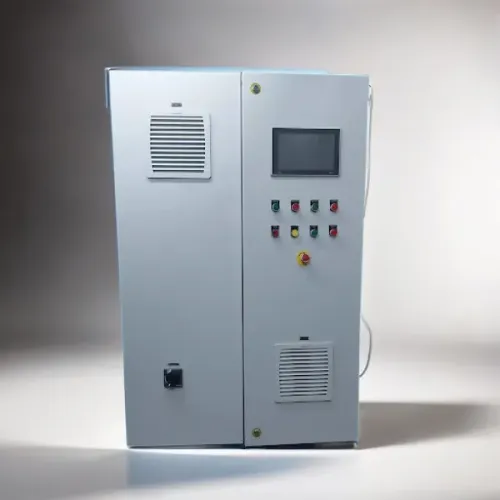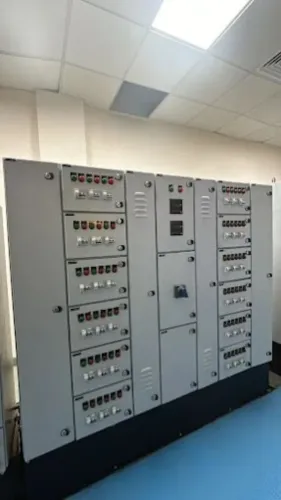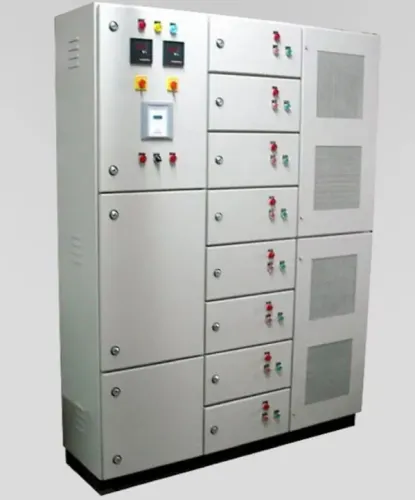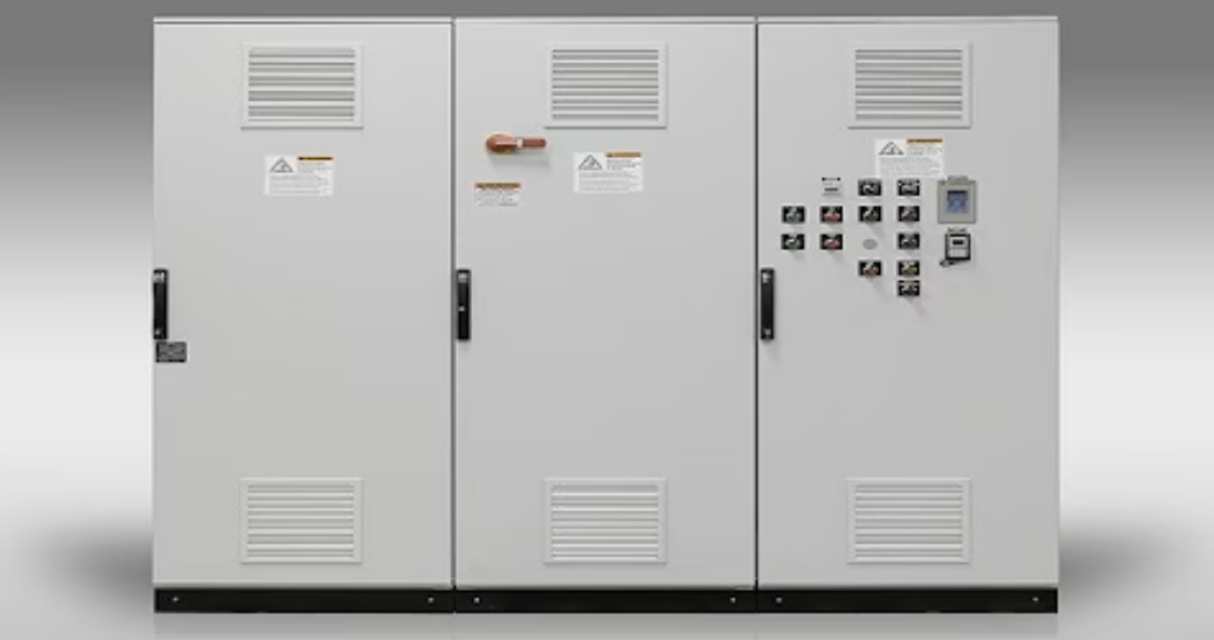
Modernizing an existing production line can be more complicated than automating a new machine. Legacy wiring, older motors, undocumented modifications, obsolete components, and limited shutdown windows can all influence the project. Selecting the right Automation Control Panel Supplier is therefore an important step in an industrial upgrade.
For plants in Pirangut, Maharashtra, careful assessment before fabrication can reduce avoidable problems during changeover.
Begin With a Site Assessment
Existing equipment should be understood before the replacement control system is finalized.
The assessment may examine:
- Existing electrical drawings
- Panel condition
- Motor details
- Field sensors
- Actuators
- Control sequence
- PLC hardware
- Existing VFDs
- Communication networks
- Safety circuits
Where documentation is outdated, field verification becomes especially important.
Define the Upgrade Objective
Not every modernization project needs a complete replacement.
Some facilities primarily need obsolete PLC hardware replaced. Others may need improved automation, additional monitoring, VFD integration, new HMI screens, upgraded switchgear, or expanded I/O.
A clear objective helps prevent unnecessary scope growth.
Evaluate Compatibility
New automation hardware must work with the equipment that will remain in service.
Check signal types, supply voltages, communication protocols, motor requirements, sensor compatibility, actuator interfaces, and network architecture.
Legacy equipment can sometimes require interface relays, signal converters, or other engineering provisions.
Plan the Changeover Carefully
Production downtime is often one of the largest concerns during an upgrade.
Preparation can include panel fabrication and testing off-site, cable identification, software development, I/O verification, backup of existing programs, and a detailed commissioning sequence.
The more work completed before shutdown, the better prepared the project team is for site implementation.
Benefits of a Structured Upgrade
A properly planned automation-panel upgrade can improve equipment maintainability, control visibility, alarm management, spare-part availability, and readiness for future modifications.
It may also provide an opportunity to eliminate years of undocumented wiring changes.
However, benefits depend on the actual scope and condition of the equipment. Automation upgrades should not be presented as automatic guarantees of production improvement.
Post-Upgrade Care
After commissioning, the plant should retain current electrical drawings and software backups.
Operators and maintenance personnel may also need familiarization with new HMI functions, alarm handling, operating modes, and reset procedures.
Any subsequent software changes should be documented.
Common Risks During Modernization
One major risk is discovering undocumented field conditions only after the old panel has been disconnected.
Other risks include incompatible signals, incorrect cable identification, incomplete software backups, inadequate testing, and unrealistic shutdown planning.
These are reasons to involve engineering teams early.
Frequently Asked Questions
Can a new automation panel use existing field instruments
Potentially, provided the instruments are suitable and compatible with the new control system.
Should the existing PLC program be backed up
Yes, where technically possible and permitted. Existing programs can be important references during migration.
Is off-site testing useful
Yes. Simulating key signals and sequences before installation can reveal issues while changes are easier to make.
Businesses in Pirangut evaluating an Automation Control Panel Supplier should look for a provider capable of examining the complete migration process. The most successful upgrades are usually those that combine electrical engineering, automation planning, testing, commissioning, and accurate documentation.