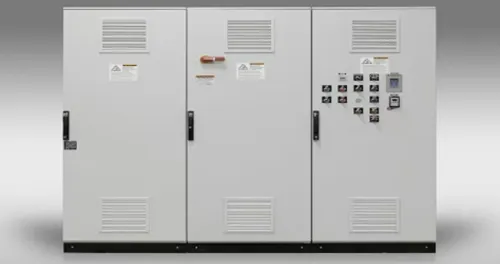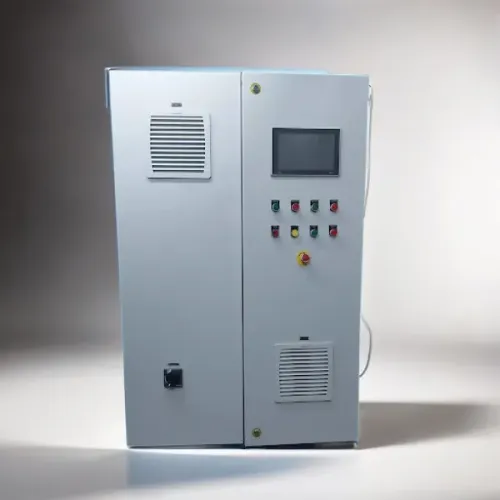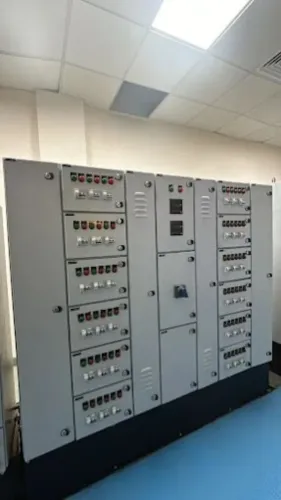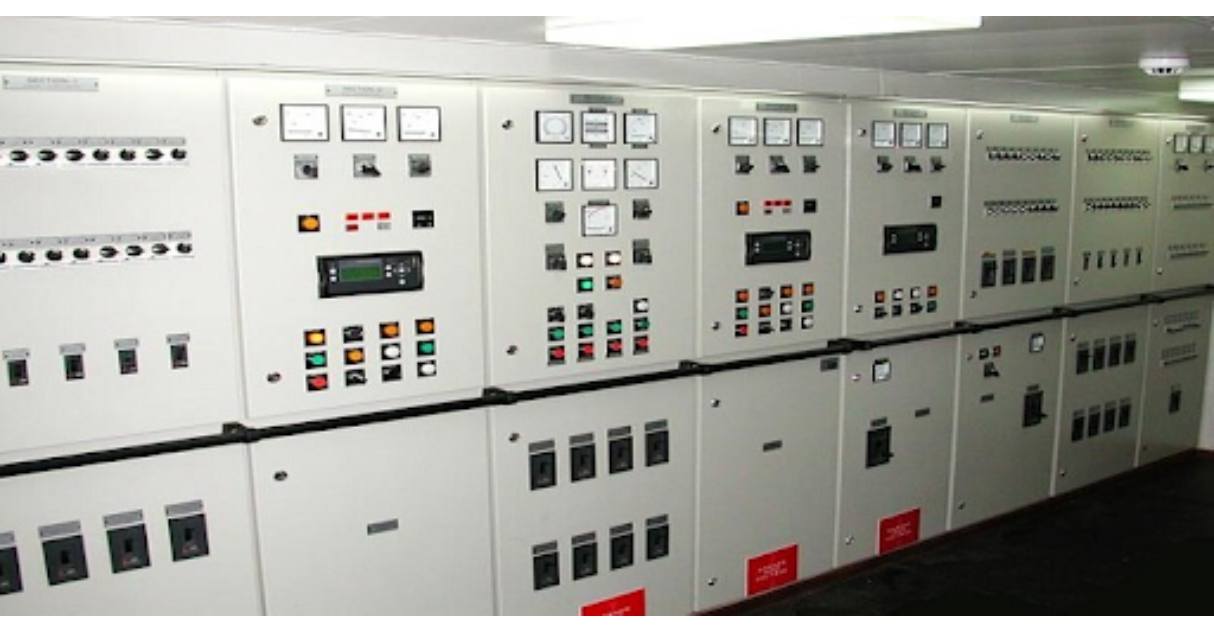
Motors drive many of the systems that keep a manufacturing plant running. Pumps, blowers, conveyors, mixers, compressors, fans, and process equipment frequently depend on electric motors operating under different load conditions. An MCC Panel Manufacturer helps bring the control and protection of these motors into an organized electrical system.
For factories in Chakan, Maharashtra, where automotive, engineering, processing, and associated manufacturing activities create diverse motor-control requirements, MCC design should reflect how equipment actually operates.
Understanding the Purpose of an MCC Panel
A Motor Control Centre brings multiple motor feeders into a coordinated panel arrangement.
Depending on the project, individual feeders may include contactors, protective devices, overload protection, control components, indications, and interfaces with field equipment.
Different motor starting methods may be selected according to motor size and process requirements.
Motor Starting Method Matters
Direct-on-line starting may suit some applications, while other motors may require star-delta arrangements, soft starters, or variable-frequency drives.
Selection depends on factors such as:
- Motor rating
- Starting current
- Required starting torque
- Process characteristics
- Mechanical load
- Speed-control requirements
- Electrical network limitations
Using the same starting philosophy for every motor can lead to unnecessary cost or unsuitable operation.
How MCC Panels Are Engineered
Before manufacturing, the motor list and load schedule should be reviewed carefully.
Engineers need information about motor ratings, duty, starter type, control voltage, field devices, operating sequence, PLC interfaces, interlocks, and required indications.
Panel layout should also consider cable routing, heat dissipation, maintenance access, and segregation.
Benefits for Plant Operations
Centralized motor control provides a more structured approach to operating and maintaining multiple motors.
A properly designed MCC can help with:
- Organized motor feeders
- Easier fault identification
- Individual motor isolation
- Protection against specified abnormal conditions
- Integration with automation systems
- Improved maintenance accessibility
It can also simplify future troubleshooting because circuits are documented and arranged systematically.
Before Commissioning the MCC
Motor data should be checked against feeder ratings before energization.
Field cables, control wiring, earthing, phase sequence, overload settings, interlocks, emergency-stop circuits, and PLC signals should be verified as applicable.
Individual motors may then be tested according to the project's commissioning procedure.
Maintenance After Installation
Routine maintenance should focus on the condition of electrical connections, contactors, breakers, ventilation arrangements, control wiring, and protective devices.
Repeated tripping should not simply be reset without investigation. It may indicate overload, mechanical problems, incorrect settings, voltage conditions, or another underlying issue.
Risks of Poor Motor-Control Planning
Incorrect feeder sizing, unsuitable starter selection, weak interlocking, inadequate ventilation, and poor documentation can make an MCC difficult to operate and maintain.
Changes made later without updating drawings can create additional troubleshooting and safety problems.
Frequently Asked Questions
Can MCC panels communicate with a PLC
Yes. MCC feeders can be designed with signals and interfaces for PLC-based monitoring and control when required.
Can VFD feeders be included
Yes. VFD-based motor feeders may be incorporated where variable-speed operation is appropriate.
What information is needed for MCC design
A motor list, ratings, starting methods, control philosophy, field interface details, electrical specifications, and project requirements are typically important.
An experienced MCC Panel Manufacturer can translate this information into a practical panel configuration. For industrial projects in Chakan, the strongest MCC designs are those developed around the actual motor duties and operating sequences of the plant.