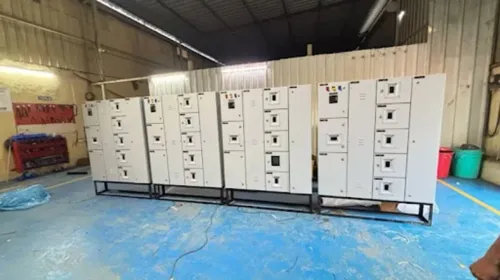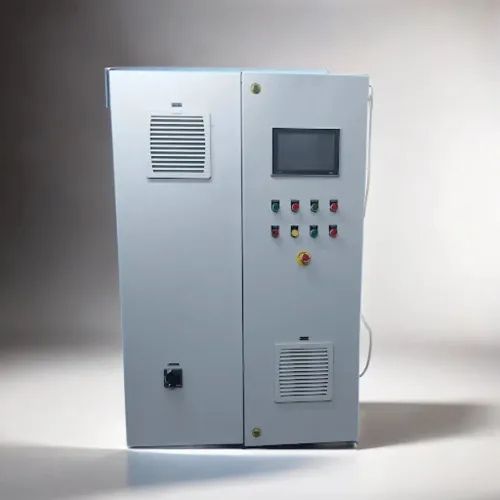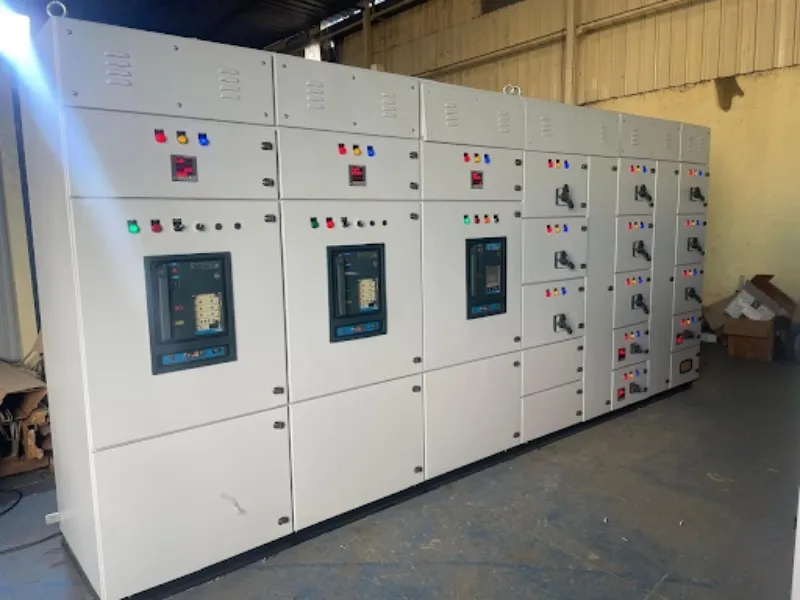
Reliable electrical distribution is fundamental to almost every manufacturing facility. Production machinery, utilities, HVAC equipment, pumps, compressors, lighting systems, and auxiliary loads all depend on controlled distribution of electrical power. This is where an experienced LT Panel Manufacturer becomes important in industrial electrical infrastructure.
For manufacturing facilities in Talawade, Maharashtra, an LT panel must be planned according to connected loads, operating conditions, future expansion requirements, protection philosophy, and applicable electrical standards rather than treated as a standard enclosure containing switchgear.
What Does an LT Panel Do
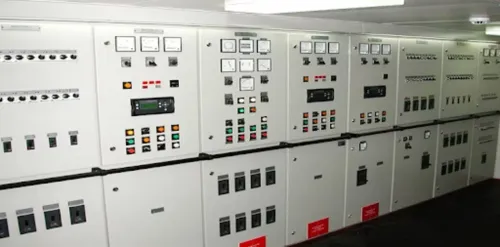
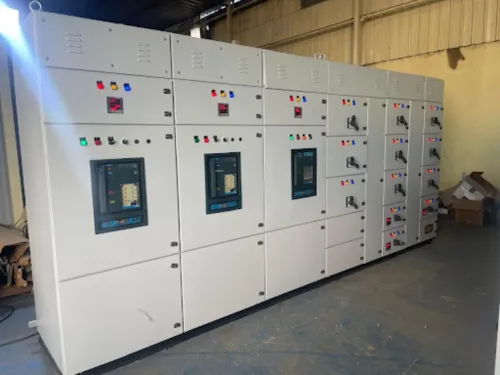
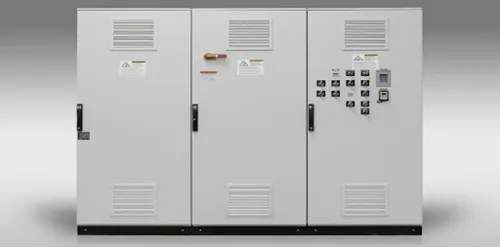
An LT panel manages low-voltage electrical power distribution within a facility. Depending on the application, it may receive incoming power and distribute it to different production areas, machines, utility systems, and downstream panels.
A typical system may incorporate:
- Air circuit breakers
- Molded case circuit breakers
- Busbars
- Protection devices
- Metering instruments
- Indication systems
- Current transformers
- Control components
- Cable termination arrangements
The exact configuration depends on load characteristics and the plant's electrical design.
How LT Panel Manufacturing Is Planned
The process generally begins with collecting technical information. Engineers need to understand the incoming supply, connected load, fault level, feeder requirements, operating environment, cable details, available installation space, and required protection.
The design stage may then cover busbar sizing, component selection, internal segregation, ventilation, cable routing, enclosure construction, interlocking, and metering requirements.
After fabrication and assembly, inspection and testing are essential before dispatch.
Why Proper Panel Design Matters
A poorly planned distribution panel can create operational problems even when individual components are of acceptable quality.
Common concerns include excessive heating, difficult cable termination, inadequate space for maintenance, incorrect protection coordination, and insufficient capacity for future loads.
A properly engineered LT panel can help provide:
- Structured power distribution
- Easier electrical isolation
- Better protection of downstream circuits
- Clearer monitoring
- Safer maintenance access
- Improved readiness for future expansion
Installation and Commissioning Considerations
Before installation, the site should be prepared for panel dimensions, cable entry, ventilation, accessibility, earthing, and maintenance clearance.
After positioning, cable termination and earthing should be completed according to approved drawings and specifications. Protection settings, phase sequence, control circuits, indications, and interlocks should be checked before the panel is placed into normal service.
What Happens After Commissioning
Electrical panels require periodic attention throughout their operating life. Maintenance may include cleaning, checking connections, inspecting busbars, verifying protective devices, observing signs of overheating, and reviewing abnormal operating conditions.
Thermal scanning can also be useful in identifying developing hot spots in heavily loaded electrical systems.
What Risks Should Plants Consider
Electrical distribution equipment involves potentially dangerous voltage and fault energy. Unauthorized modifications, overloaded feeders, loose connections, inadequate earthing, and neglected maintenance can increase electrical and operational risk.
Work should therefore be carried out by qualified personnel following appropriate electrical safety procedures.
Frequently Asked Questions
Is every LT panel identical
No. Ratings, feeder arrangements, enclosure size, protection, metering, busbar configuration, and control requirements vary according to the application.
Can an LT panel be designed for future expansion
Yes. Spare feeders, additional space, busbar capacity, and expansion provisions can be considered during engineering when future requirements are known.
Why are drawings important before manufacturing
Approved drawings establish the intended electrical configuration, component arrangement, ratings, dimensions, and interface requirements before fabrication begins.
For industrial facilities evaluating power-distribution infrastructure in Talawade, working with an LT Panel Manufacturer that understands engineering, fabrication, testing, and commissioning requirements can help ensure that the panel is suited to actual plant conditions rather than simply supplied as standard equipment.
Keywords