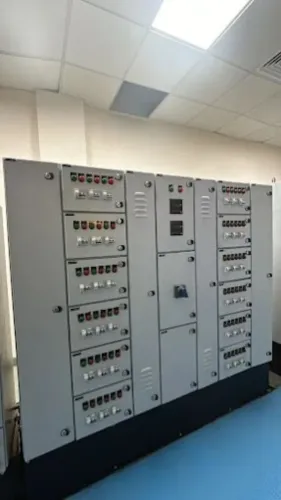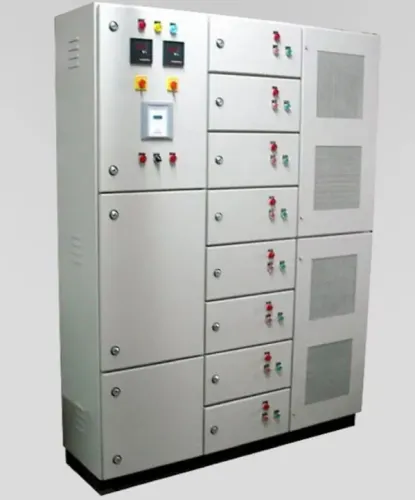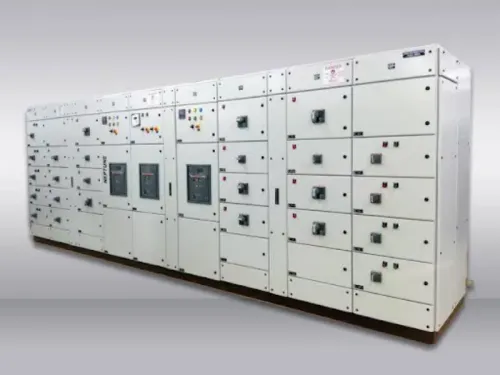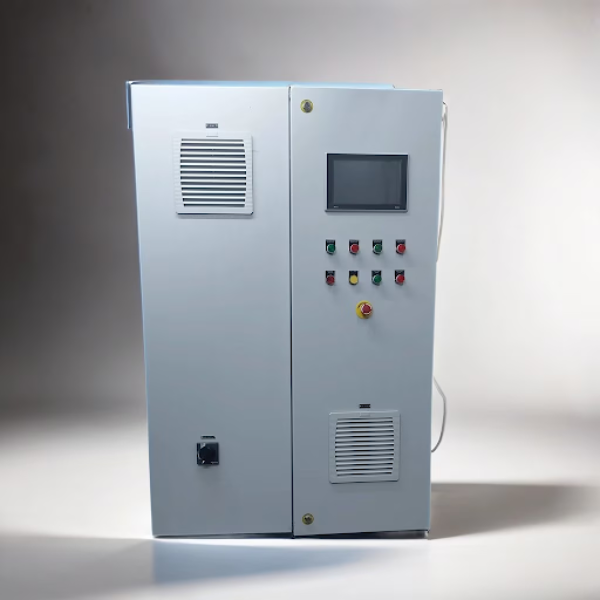
As factories automate more operations, electrical control increasingly depends on programmable logic controllers, field instruments, drives, sensors, actuators, and industrial communication networks. A capable PLC Control Panel Manufacturer must therefore understand both electrical panel engineering and automation logic.
For industrial operations in Pune, Maharashtra, PLC panels can support applications ranging from simple machine control to coordinated production and process systems.
Start With the Process Sequence
PLC engineering should not begin by selecting hardware.
The first task is understanding what the machine or process is expected to do.
Engineers may document:
- Start conditions
- Operating sequence
- Sensor inputs
- Output actions
- Interlocks
- Alarm conditions
- Emergency responses
- Manual operating requirements
- Communication requirements
This sequence becomes the basis for control-system development.
Selecting PLC Hardware
PLC selection depends on application complexity, I/O count, communication protocols, memory requirements, processing needs, expansion expectations, environmental conditions, and customer standards.
The design may also involve HMI systems, remote I/O, communication modules, power supplies, relays, VFDs, and networking hardware.
Solving Common Automation Problems
A PLC panel can help address situations where manual operation creates inconsistency or where several devices need coordinated control.
Applications may include:
- Pump sequencing
- Conveyor control
- Batch processes
- Mixing systems
- Machine automation
- Utility systems
- Alarm monitoring
- Process equipment
Automation does not eliminate the need for good process design. It provides a platform for executing a clearly defined control philosophy.
Testing Before Site Deployment
Testing should cover more than whether the PLC powers on.
Engineers may verify I/O mapping, logic sequences, HMI screens, alarms, interlocks, communication, control modes, and simulated operating conditions.
Where practical, a Factory Acceptance Test can allow key functions to be reviewed before installation.
Site Commissioning Process
After installation, field devices must be checked against the control system.
Sensors should produce expected signals, actuators should respond correctly, motor directions should be verified, VFD parameters should match application requirements, and safety-related circuits should be tested under appropriate procedures.
Sequence testing then confirms whether the system behaves correctly in actual operating conditions.
Benefits of Proper PLC Integration
A well-engineered PLC control system can provide consistent sequencing, process monitoring, alarm handling, easier parameter management, and better integration between machines and plant systems.
It can also create a clearer basis for future automation modifications when software and electrical documentation are maintained properly.
Automation Risks to Consider
Incorrect logic, unreliable field signals, poor electrical noise management, undocumented program changes, communication failures, and bypassed interlocks can create operational problems.
Backups of PLC and HMI programs should therefore be controlled carefully.
Frequently Asked Questions
Can an existing machine be converted to PLC control
Often it can, subject to an assessment of the existing electrical system, field devices, safety requirements, and machine condition.
Is an HMI compulsory
No. It depends on whether the application requires operator visualization, commands, alarms, recipes, trends, or parameter adjustment.
Can PLC panels communicate with other plant systems
Yes, when compatible communication protocols and system architecture are designed into the project.
For automation projects in Pune, a PLC Control Panel Manufacturer should be evaluated not simply on panel fabrication but on the ability to understand process logic, electrical interfaces, programming, testing, and commissioning as one integrated system.