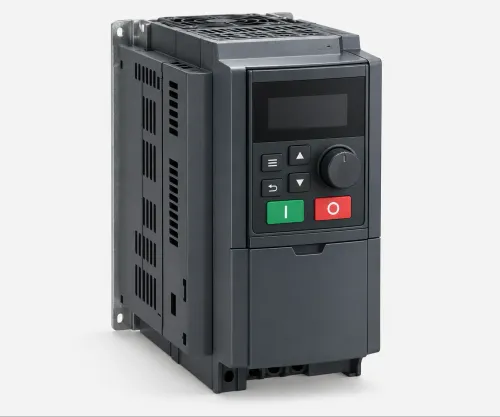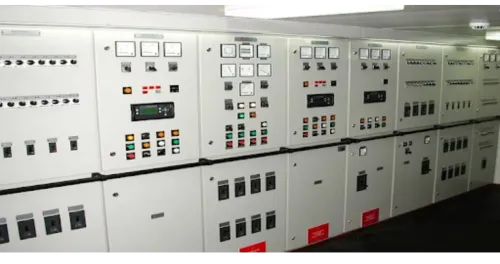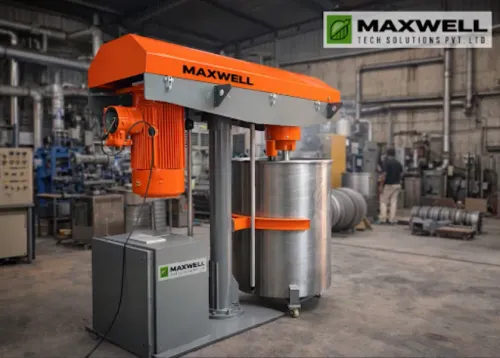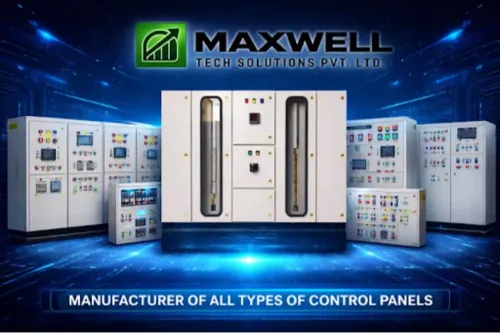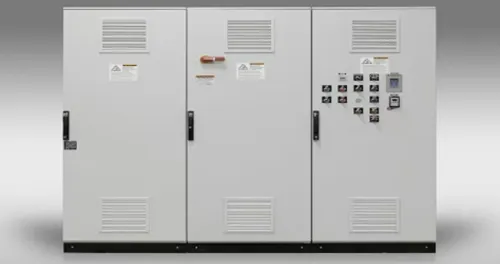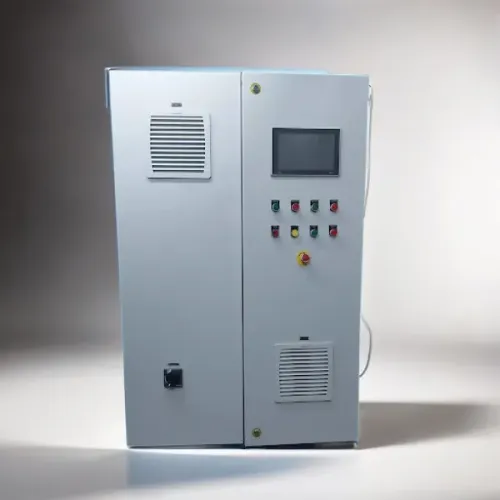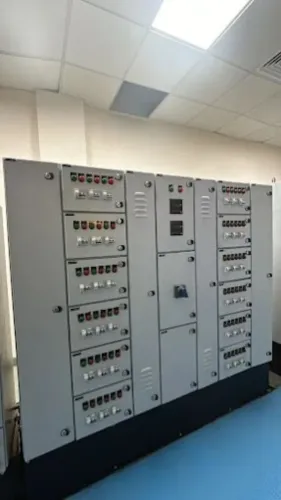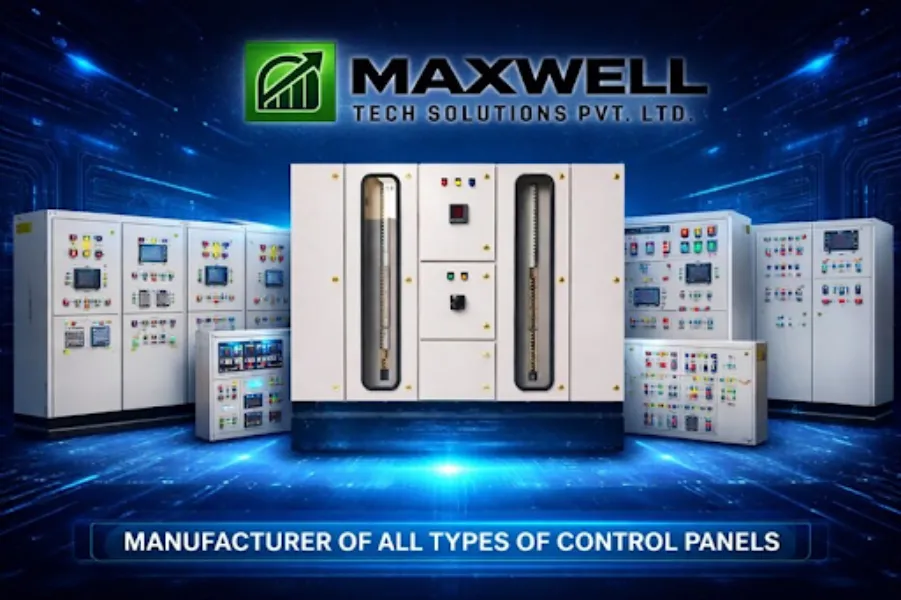
Electrical control panels play a critical role in ensuring industrial equipment operates safely and efficiently. From distributing electrical power to managing automation systems, these panels serve as the control center for modern manufacturing facilities. Choosing the right Electrical Control Panel Manufacturer helps industries improve operational reliability while minimizing electrical failures and production interruptions.
Industrial businesses in Pirangut require dependable electrical systems capable of supporting growing production demands. A professionally engineered control panel provides the stability needed for continuous industrial operations.
Why Electrical Control Panels Matter
Every industrial process depends on a reliable electrical control system. A properly designed panel ensures machines receive controlled electrical power while protecting equipment against faults and overload conditions.
Electrical control panels are widely installed in:
- Manufacturing plants
- Process industries
- Pharmaceutical facilities
- Packaging industries
- Commercial buildings
- Engineering workshops
- Water treatment plants
- Infrastructure projects
Their role extends beyond power distribution by improving operational safety and automation capabilities.
Essential Functions of an Electrical Control Panel
Modern control panels perform several important functions simultaneously.
These include:
- Power distribution
- Equipment protection
- Machine control
- Process monitoring
- Alarm management
- Motor operation
- Automation support
- System diagnostics
Combining these functions into a single integrated panel simplifies industrial operations and maintenance.
Features That Improve Operational Reliability
A high-quality electrical control panel is designed to operate reliably under demanding industrial conditions.
Important design features include:
- Heavy-duty enclosures
- Organized cable routing
- High-quality switchgear
- Efficient heat dissipation
- Clearly labelled wiring
- Protection against electrical faults
- Expandable design
- Easy maintenance access
These features improve both safety and long-term performance.
How Customization Benefits Industrial Facilities
Every manufacturing facility has unique electrical requirements based on equipment capacity, automation level, and future expansion plans.
Customized panels can support:
- PLC integration
- VFD control
- Remote monitoring
- Multiple production lines
- Energy management systems
- Specialized industrial equipment
- Communication networks
- Future automation upgrades
Tailored engineering provides greater operational flexibility than off-the-shelf solutions.
Questions to Ask Before Choosing a Manufacturer
Selecting the right manufacturer involves careful evaluation rather than focusing only on price.
Consider asking:
- Are the panels factory tested?
- Can the design be customized?
- Which electrical standards are followed?
- Are premium components used?
- Is commissioning support available?
- Can future modifications be accommodated?
The answers help buyers make informed investment decisions.
The Importance of Quality Manufacturing
A well-manufactured electrical control panel reduces maintenance costs while improving equipment reliability throughout its operational life.
Businesses should evaluate manufacturers based on:
- Engineering experience
- Manufacturing capability
- Testing procedures
- Technical documentation
- Customer support
- Industry expertise
Reliable manufacturers consistently deliver products that perform safely under continuous industrial operation.
Building Reliable Electrical Infrastructure
As industrial automation continues to advance, dependable electrical control systems remain essential for maintaining productivity and safety. Many organizations consider Maxwell Tech Solutions Pvt Ltd for customized electrical engineering solutions that meet diverse industrial requirements while supporting long-term operational efficiency.
For businesses expanding in Pirangut, selecting an experienced Electrical Control Panel Manufacturer provides a strong foundation for safe, efficient, and scalable industrial operations capable of supporting future manufacturing growth.
Keywords