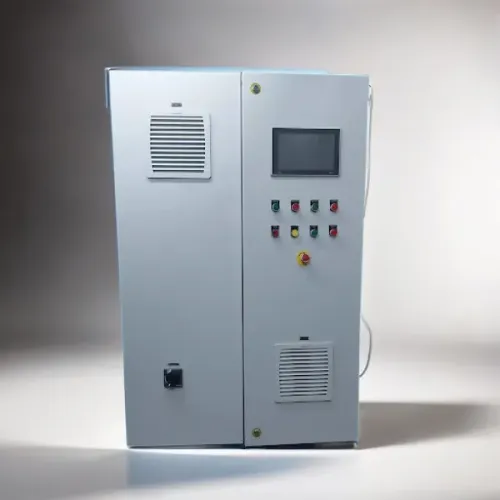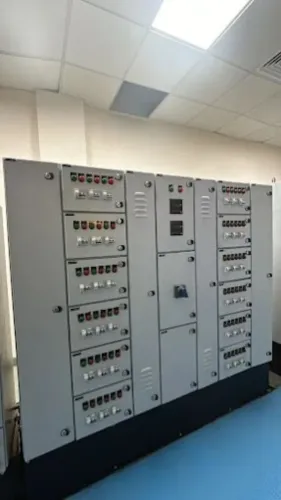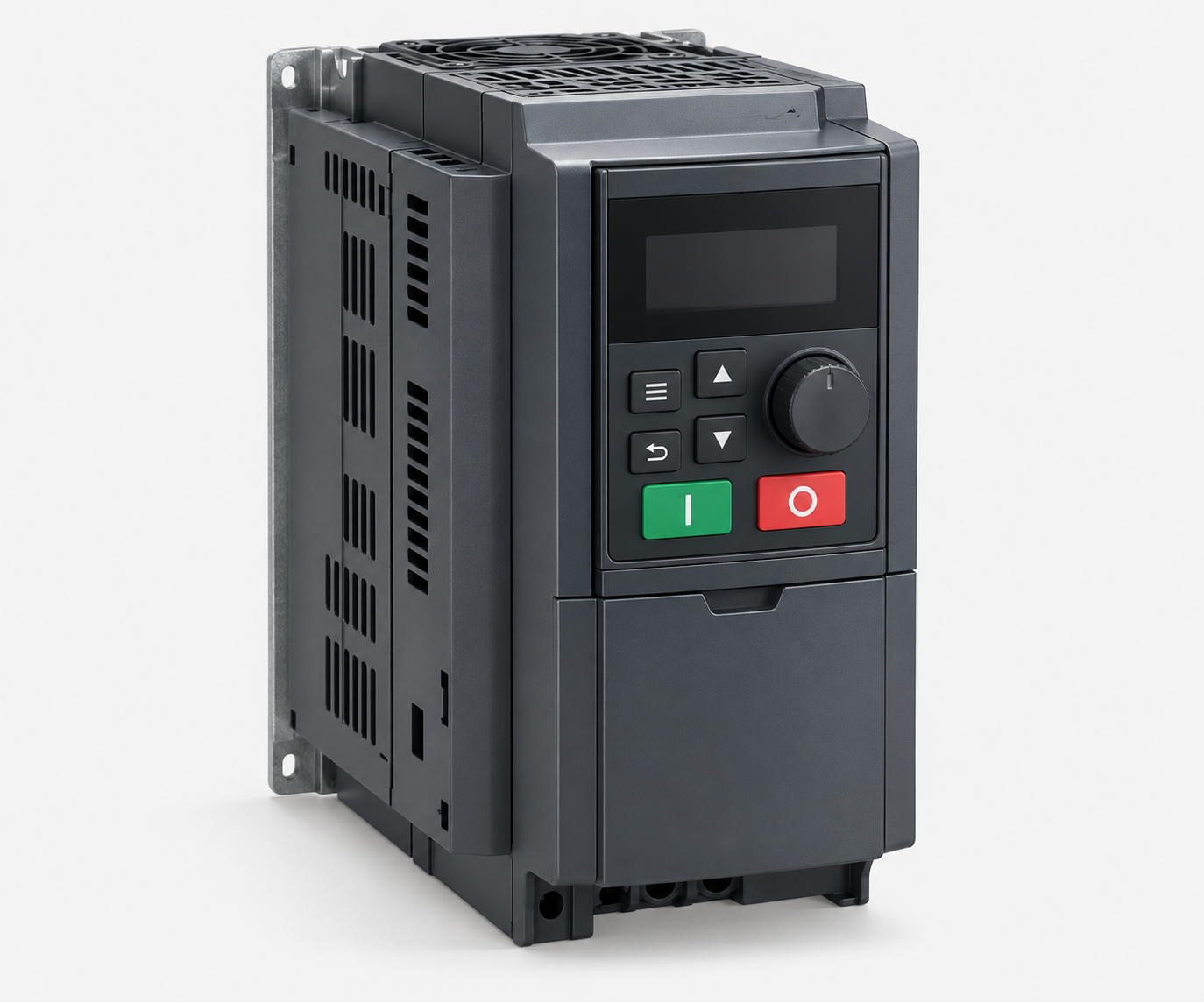
Industrial motors do not always need to operate continuously at full speed. Pumps, fans, blowers, conveyors, mixers, and process machines can have changing operating requirements. A VFD Systems Manufacturer develops drive-based control solutions that allow suitable AC motors to operate at controlled speeds according to the process requirement.
For industrial facilities in Pune, Maharashtra, VFD systems can be useful where variable-speed operation offers genuine process or operational value.
How a VFD System Works
A Variable Frequency Drive controls motor operation by electronically varying the frequency and voltage supplied to a compatible AC motor.
Instead of relying only on fixed-speed operation, the drive can regulate motor speed according to commands from an operator, PLC, sensor, or process-control system.
Applications Where VFDs May Be Useful
Variable-speed control is commonly considered for:
- Pumps
- Fans
- Blowers
- Conveyors
- Mixers
- Agitators
- Process equipment
- Selected machine applications
The suitability of a VFD depends on the motor, load characteristics, speed range, torque requirements, operating environment, and process.
What Should Be Checked Before Selecting a VFD
Drive selection should not be based on motor kilowatt rating alone.
Engineers may also need to evaluate motor current, duty, overload requirement, acceleration time, deceleration time, ambient conditions, enclosure requirements, cable length, control method, braking requirements, communication, and harmonic considerations.
Correct engineering at this stage helps avoid oversizing as well as undersizing.
Integration With PLC Systems
VFD systems can be integrated with PLC-based automation when required.
The PLC may issue start commands, speed references, and other control instructions while receiving operating status, fault information, and process data depending on the selected architecture.
This can support coordinated operation within automated machinery and process systems.
Installation and Commissioning
Before energization, verify power connections, motor connections, earthing, control wiring, and drive ratings.
Commissioning may then involve entering motor data, configuring acceleration and deceleration, establishing speed limits, checking direction, testing control signals, and confirming communication.
Parameters should be set according to the actual motor and application rather than copied blindly from another installation.
Potential Benefits
Where technically appropriate, VFD control can provide:
- Adjustable motor speed
- Controlled acceleration
- Controlled deceleration
- Improved process regulation
- Reduced mechanical stress during starting
- Easier integration with automation
Certain variable-torque applications may also achieve energy savings when speed can be reduced according to demand. Actual savings depend on the application and operating profile, so they should be evaluated rather than assumed.
Risks and Maintenance Considerations
Incorrect parameter settings, unsuitable environmental conditions, inadequate ventilation, electrical harmonics, excessive cable length, and poor grounding can affect system performance.
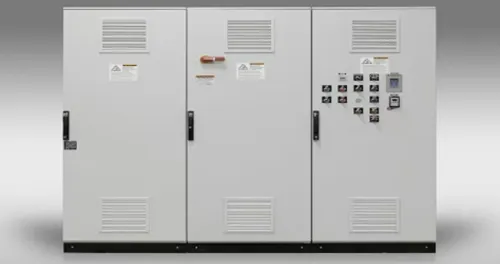
Drive panels should remain clean and adequately ventilated. Cooling fans, filters, terminals, fault histories, and environmental conditions should be inspected according to appropriate maintenance schedules.
Maxwell Tech Solutions Pvt Ltd provides industrial control and automation engineering that can include VFD-based systems where variable-speed motor control forms part of the application.
Frequently Asked Questions
Can a VFD be connected to any motor
Not automatically. Motor suitability, ratings, insulation, load characteristics, operating speed, and application requirements should be checked.
Does installing a VFD always reduce electricity consumption
No. Energy savings depend on how the motor load operates. Variable-torque pump and fan applications can present significant opportunities in suitable conditions, but each case should be evaluated.
Can an existing motor system be converted to VFD control
Many systems can be assessed for conversion, but the motor, electrical supply, control system, process requirements, protection, and mechanical equipment need review first.
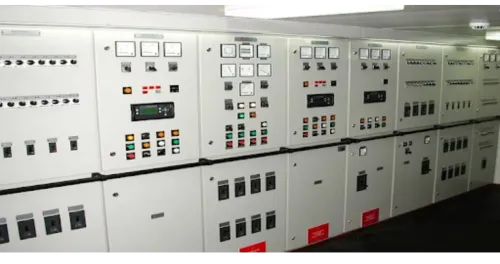
Can multiple VFDs be installed in one control panel
Yes, when the enclosure, thermal management, electrical design, protection, spacing, and application requirements are engineered accordingly.
For plants considering a VFD Systems Manufacturer in Pune, the key question is not simply which drive to purchase. The stronger approach is to evaluate the motor, process, controls, electrical environment, commissioning requirements, and expected operating benefits as one complete system.
Keywords