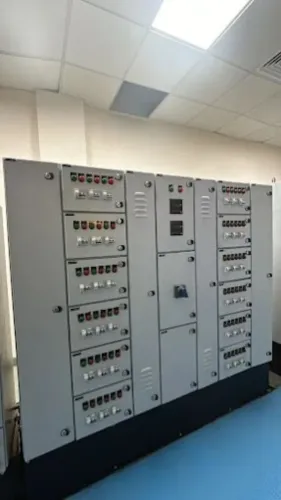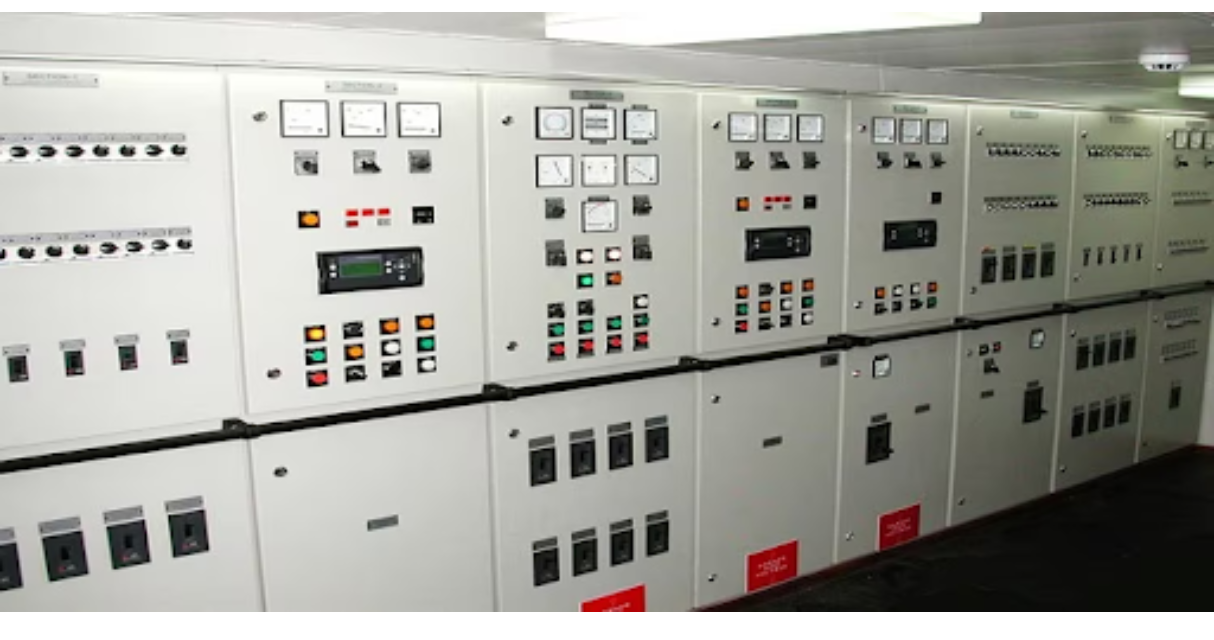
A new factory or production line requires dozens of technical decisions before equipment reaches the site. Electrical panels are among the systems that need early coordination because they interface with power distribution, motors, machines, instruments, utilities, and automation. Selecting the right Control Panel Manufacturer can therefore influence project execution well beyond panel fabrication.
Industrial projects in Hadapsar, Maharashtra, can use several readiness indicators when shortlisting a manufacturer.
Look for Specification Review Capability
A technically capable supplier should review project documents before committing to manufacture.
These can include:
- Single-line diagrams
- Load schedules
- Motor lists
- I/O lists
- Control philosophy
- Equipment layouts
- Technical specifications
- Approved component makes
- Communication requirements
Unclear requirements should be resolved during engineering rather than discovered during commissioning.
Ask About Drawing Approval
Panel manufacturing should follow controlled engineering documentation.
General arrangement drawings, single-line diagrams, control schematics, bill of materials, terminal details, and other project documents may need client approval depending on the scope.
Drawing approval gives both parties a defined technical reference.
Evaluate Manufacturing Quality
During supplier evaluation, examine more than enclosure appearance.
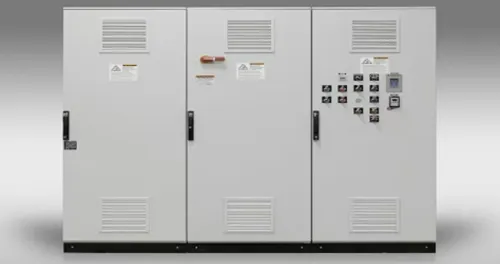
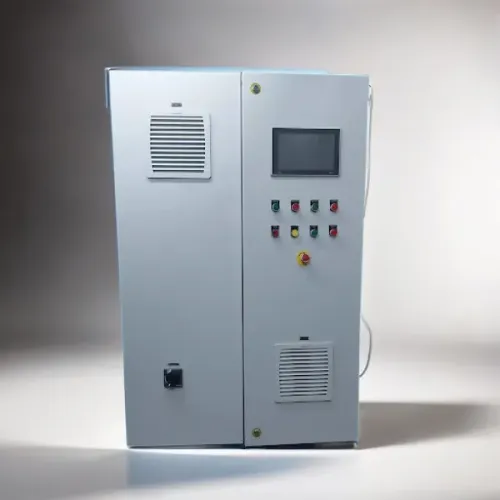
Important areas include component arrangement, wire identification, ferruling, cable routing, terminal accessibility, busbar construction, gland plates, ventilation, workmanship, and provision for maintenance.
A visually neat panel should also be technically appropriate.
Confirm Testing Scope
Testing requirements should be agreed before dispatch.
Routine checks may include mechanical inspection, wiring verification, control-power tests, interlock checks, indications, PLC I/O testing, and functional simulation where applicable.
Projects with detailed client specifications may require a formal Factory Acceptance Test.
Check Commissioning Readiness
A panel is not fully useful merely because it passed workshop inspection.
Site conditions introduce cables, motors, instruments, communication networks, mechanical equipment, and actual process sequences.
Clarify the extent of commissioning assistance required before ordering.
Think Beyond Initial Installation
Factories change.
New machines may be added, process sequences may evolve, and automation systems may need expansion.
Discuss spare feeders, spare terminals, PLC expansion, enclosure space, and other future requirements during design.
Risks of Late Panel Finalization
When panel engineering starts too late, project teams may face incorrect cable routes, insufficient installation space, delayed drawings, component availability problems, and mismatched field interfaces.
Early coordination between electrical, mechanical, automation, and project teams can reduce these conflicts.
Frequently Asked Questions
When should the panel manufacturer be appointed
Ideally early enough to participate in technical coordination before manufacturing deadlines become critical.
Is a factory visit useful before ordering
For customized or retrofit projects, a site visit can help clarify existing conditions and interfaces.
Should spare capacity always be included
Spare requirements should be based on realistic expansion plans and project specifications rather than an arbitrary percentage.
What indicates that a supplier is ready for a complex project
Detailed technical questioning, controlled drawings, clear component specifications, defined testing procedures, and commissioning capability are useful indicators.
When selecting a Control Panel Manufacturer for an industrial project in Hadapsar, the most meaningful evaluation combines technical competence, manufacturing capability, documentation discipline, testing, and practical understanding of site integration.
Keywords