The right panel depends on your process, fault level, motor duty, environment and maintenance plan—not on whether a supplier offers a familiar panel label. By the end, you will be able to turn your electrical and process information into a defensible specification, compare construction options and demand the records needed for safe commissioning and future changes.
Key takeaways
- Start with the process sequence, motor list and I/O count.
- Calculate ratings from load current, fault level and duty cycle.
- Match enclosure protection and cooling to dust, moisture and heat.
- Demand test records, safety checks and complete handover drawings.
Match the panel architecture to the facility’s actual functions
Specify the lineup from the facility’s process sequence, motor list and I/O count—not from a preferred brand or panel name.
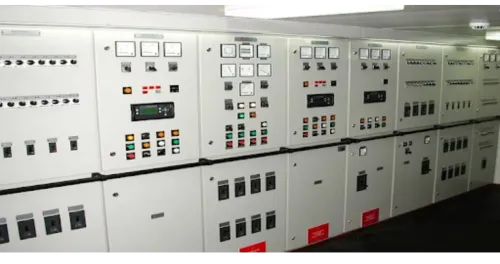
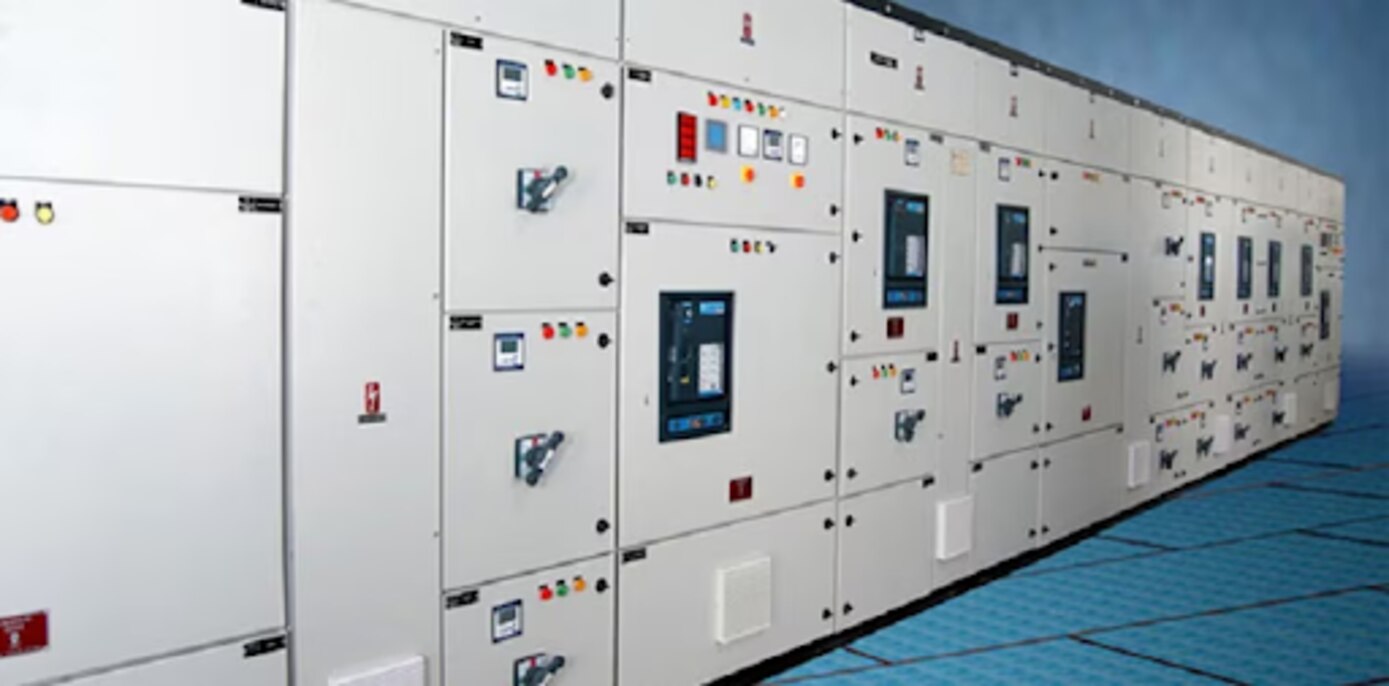
A plant with central incomer distribution, many fixed-speed motors, automated sequencing and variable-speed loads will usually need a PCC panel, MCC panel, PLC panel and VFD section, with an APFC panel where the load profile justifies correction.
| Option | What it handles | When to specify it |
|---|---|---|
| PCC panel | Main incomer, busbars and outgoing power feeders | The facility needs central distribution from a transformer, generator or utility supply |
| MCC panel | Motor starters, overload protection and local motor feeders | Multiple fixed-speed pumps, fans, conveyors or compressors need grouped control |
| PLC panel | CPU, I/O, control power, communications and sequence logic | A process requires automatic sequencing, interlocks, alarms or data exchange |
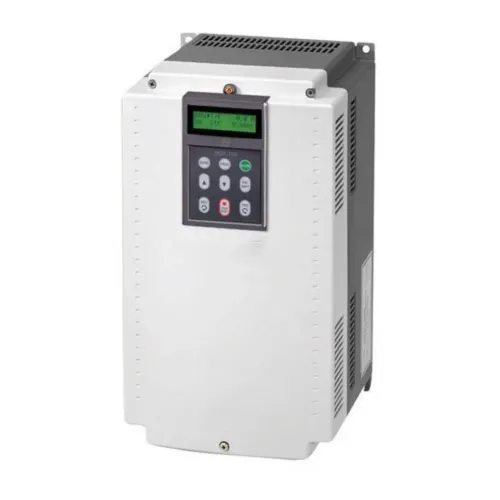
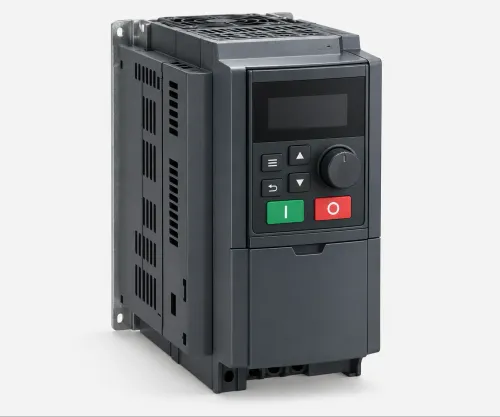
| VFD system | Adjustable-speed motor control and drive bypass or isolation | Speed, flow, pressure or torque must vary; place drives in a dedicated section when heat or harmonics demand it |
| APFC panel | Switched capacitor stages and power-factor control | Large inductive loads produce poor power factor and the correction scheme suits the operating profile |
Keep safety circuits distinct from ordinary control logic. Derive the stopping function—IEC 60204-1 Category 0 or Category 1—and the target ISO 13849-1 Performance Level or IEC 62061 SIL from the risk assessment; a safety-rated PLC alone proves neither. For networked panels, define IEC 62443 zones and conduits, separating control, safety, enterprise and remote maintenance access.
Require named accounts, secure remote access, backups and responsibility for firmware updates.
Convert drawings and load data into electrical ratings
Issue the supplier a design basis, not just drawings. The single-line diagram, motor list, process sequence and I/O list must resolve into stated ratings; otherwise each bidder fills gaps differently and the quotations cannot be compared.
1. From the single-line diagram, state incoming voltage, phase, frequency, available fault current, required short-circuit withstand or SCCR, busbar current, neutral rating, earthing arrangement and number of outgoing ways. Give the prospective fault current at the panel location.
2. From the motor list, record each motor’s power, full-load current, starting method, duty, overload setting, feeder rating and VFD requirement. For a high-inertia mixer, calculate braking pulse energy and repetition rate; specify a braking resistor and unit, regenerative drive, or longer deceleration profile.
3. Use the process sequence and I/O list to state PLC digital and analogue points, spare capacity, interlocks and safety functions. Define whether each emergency stop requires Category 0 or Category 1 stopping, then provide the risk-assessment result for Performance Level or SIL.
4. Require a heat calculation using the actual enclosure, mounting orientation, ambient temperature, altitude and simultaneous loading. Include losses from VFDs, power supplies, transformers, contactors and braking resistors; an oversized box does not compensate for an undersized fan, filter or air conditioner.
5. Require the assembly-level verification plan. For IEC 61439, address temperature-rise, dielectric, short-circuit and protective-circuit checks; for UL 508A, require the SCCR calculation, since the main breaker’s interrupting rating alone does not establish panel SCCR.
Choose the enclosure and internal construction for the site
Select the enclosure from the site hazard, not from the panel’s location on the drawing. Confirm indoor or outdoor installation, dust, washdown, humidity, chemicals, ambient temperature, cable-entry direction and available clearance before choosing the form.
| Option | Protection and construction | Best fit |
|---|---|---|
| NEMA Type 12 | Indoor enclosure against circulating dust, falling dirt and dripping noncorrosive liquids | Dry production areas and electrical rooms |
| NEMA Type 4X | Protection against hose-directed water, dust and corrosion, using corrosion-resistant construction | Washdown zones, wet processes and chemical exposure |
| IP-rated enclosure | Protection stated under IEC 60529, such as IP54 or IP66, for defined dust and water tests | Projects specified to IEC requirements |
Do not treat an IP rating as an automatic NEMA Type 12 or NEMA Type 4X equivalent. Check the complete qualification, material, gasket, corrosion resistance and door construction.
Specify the internal construction explicitly:
- Rate copper or aluminium busbars for continuous current, temperature rise and prospective short-circuit withstand; state neutral size and whether the neutral is full-rated.
- Define segregation between busbars, incomers, outgoing feeders, drives and control wiring. Separate compartments reduce accidental contact and limit a fault’s spread.
- Choose front-only access for a wall-mounted panel with adequate working clearance; require rear access or withdrawable compartments when maintenance space and feeder replacement justify the floor area.
- Put cable glands on the bottom, top or side to match the installation, and reserve spare ways, terminals and busbar capacity for expansion.
Size switching and drives around duty, heat and power quality
Select switching and drives from actual motor duty, not horsepower alone. Specify each motor’s motor full-load current, starting current, acceleration torque, overload requirement and speed range.
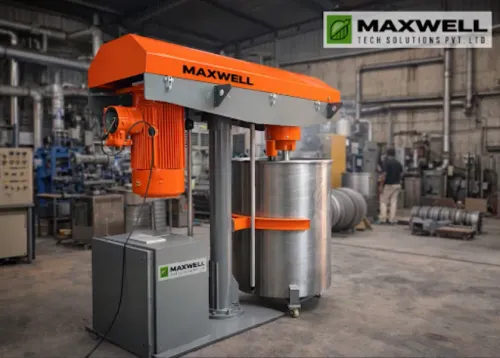
A mixer can demand far more torque when viscosity, batch mass, impeller geometry or vessel conditions change; a drive sized for nominal running power may trip during starting or high-viscosity operation.
Put these values in the panel schedule:
- AC drives: output current, overload class, minimum speed, braking method and motor-cooling arrangement.
- Contactors and breakers: utilisation category, duty cycle, coordination, interrupting rating and prospective fault current.
- VFD system: ambient temperature, altitude, mounting clearances, cable length, output-filter requirement and allowable motor insulation stress.
- Heat calculation: enclosure dimensions and orientation, ambient temperature, simultaneous loading, and losses from drives, power supplies, transformers, braking resistors and contactors.
A larger enclosure reduces temperature rise only when airflow, filters and air-conditioning capacity match the calculated load. An undersized fan can turn extra volume into a hot box.
Choose harmonic control at the point of common coupling, using IEEE 519 limits and stated operating conditions. The options carry different costs, losses and footprints.
| Option | Main trade-off | Select when |
|---|---|---|
| Six-pulse drive with line reactor or DC choke | Lower cost; limited mitigation | Distortion study permits it |
| Passive filter | Adds heat and resonance checks | Fixed, predictable loads suit it |
| Active-front-end drive | Better harmonics and regeneration; higher cost | Regeneration or strict distortion limits matter |
Check the panel SCCR against the installation fault level; a main breaker’s interrupting rating alone does not prove panel suitability. Higher SCCR also does not reduce arc-flash energy.
Require verified safety, testing and handover evidence
Accept the finished assembly on evidence, not on component certificates. Require the supplier to submit the prospective fault current at the installation point, the panel SCCR calculation, feeder and protective-device coordination, busbar temperature-rise calculation, enclosure heat calculation and protective-device settings.
SCCR is not the main breaker’s interrupting rating; under UL 508A, the lowest-rated power component normally limits the panel unless a documented Supplement SB method raises it.
| Evidence | What to verify | Why it matters |
|---|---|---|
| IEC 61439 | Assembly-level design verification for temperature rise, dielectric strength, short-circuit withstand and protective circuits | An individual component certificate does not certify the finished assembly |
| IEC 60204-1 | Machine wiring, protective bonding, isolation and emergency-stop implementation | Category 0 removes power immediately; Category 1 controls the stop before removal |
| IEC 62443 | Zones and conduits, named accounts, secure remote access, firmware support and backup procedures | A panel placed on an unrestricted plant network creates an avoidable attack path |
| Safety validation | ISO 13849-1 Performance Level or IEC 62061 SIL target, architecture, diagnostics and fault reaction | A safety PLC alone does not prove the required safety function |
Require the handover pack to include the as-built schematic, terminal schedule, I/O list, network addresses, software and firmware backups, safety-validation records, replacement-parts list and signed factory and site test records.
If Maxwell Tech Solutions Pvt Ltd is quoting, use this same evidence schedule; it makes competing suppliers comparable and prevents undocumented changes from invalidating SCCR, thermal or safety assumptions.
Related products
 | Electrical Control Panel Manufacturer in India, Pune, Pimpri Chinchwad | Maxwell Tech Solutions Pvt. Ltd. Maxwell Tech Solutions Pvt. View product → |
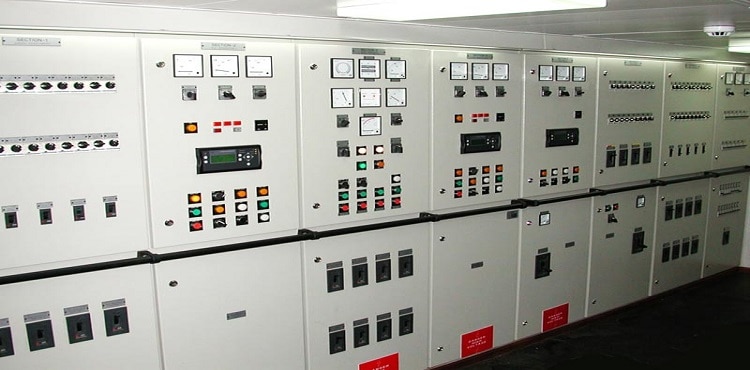 | Electrical Control Panel Manufacturer in India, Pune, Pimpri Chinchwad | Maxwell Tech Solutions Pvt. Ltd. Maxwell Tech Solutions Pvt. View product → |
Frequently asked questions
How should you match panel architecture to your facility?
Map the process sequence, motor list, instrumentation and I/O count before choosing PLC, distributed I/O, MCC or remote-panel architecture.
Which electrical ratings must you calculate before ordering?
Convert drawings and load data into voltage, current, short-circuit withstand, busbar, feeder and protection-device ratings.
How do you choose the right enclosure and internal construction?
Assess dust, water, corrosion, ambient temperature, access space and heat dissipation before selecting the enclosure and layout.
What evidence should the panel supplier provide at handover?
Require inspection and test records, protection settings, wiring diagrams, component data, safety checks and commissioning documentation.
Related products
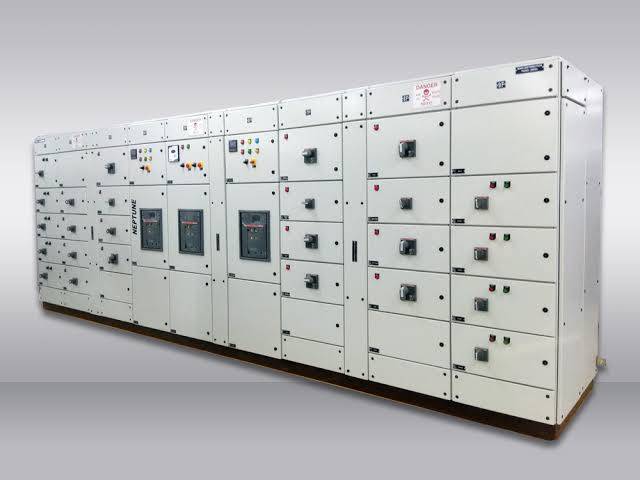 | Electrical Control Panel Manufacturer in India, Pune, Pimpri Chinchwad | Maxwell Tech Solutions Pvt. Ltd. Maxwell Tech Solutions Pvt. Ltd. View product → |
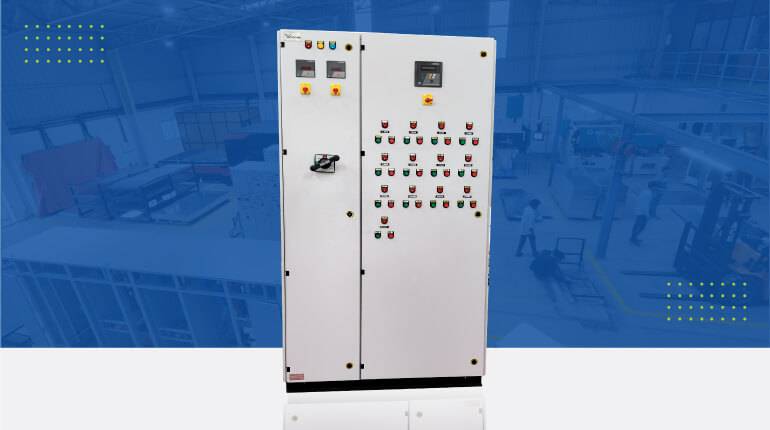 | Electric Panel Automatic Power Factor Correction Apfc Panel ₹120000 APFC Control Panel Manufacturer in Pune | Talawade Power Factor Panel Experts Looking for a trusted APFC Control Panel manufacturer in Pune and... View product → |
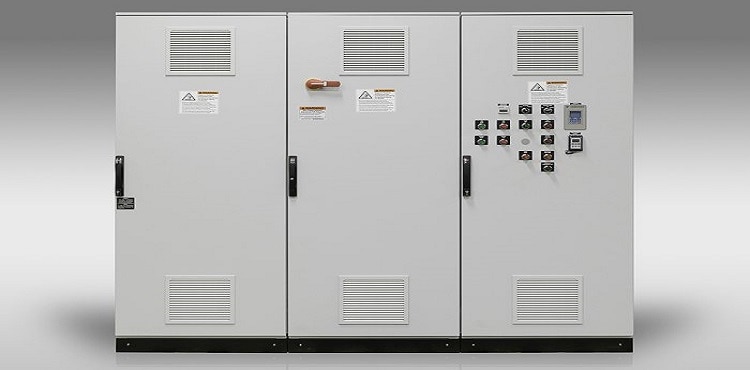 | Electrical Control Panel Manufacturer in India, Pune, Pimpri Chinchwad | Maxwell Tech Solutions Pvt. Ltd. Maxwell Tech Solutions Pvt. View product → |