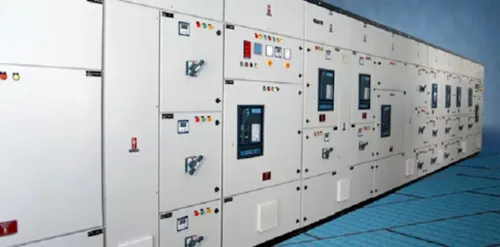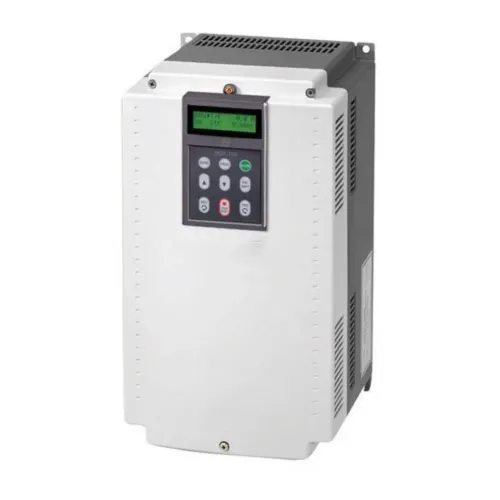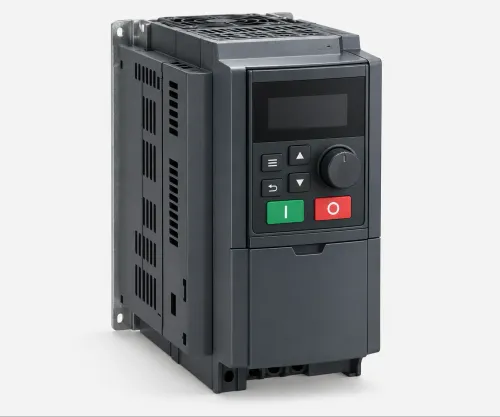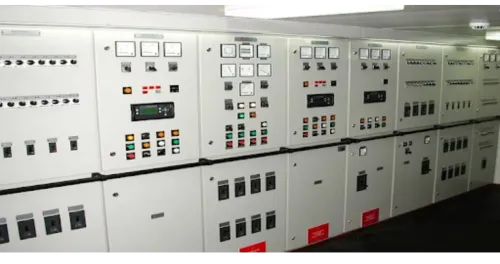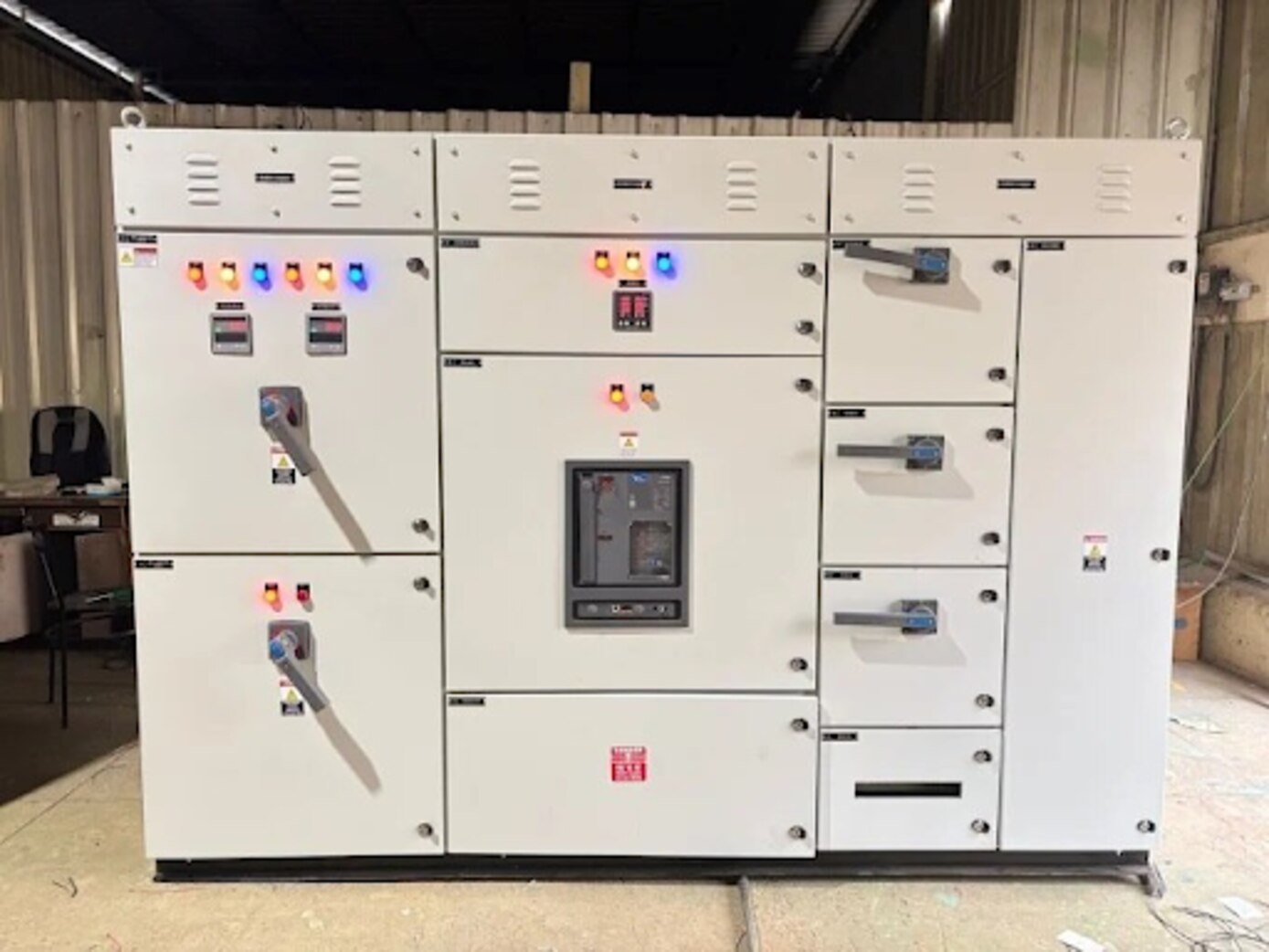
A reliable supplier needs more than a catalogue of PLC, MCC, PCC, APFC, or VFD panels: it needs the engineering discipline to size, document, test, install, and support the complete assembly. Use the project inputs, verification records, FAT protocol, quotation scope, and lifecycle deliverables below to compare suppliers on evidence rather than promises.
Key takeaways
- Give suppliers load, fault current, grounding, environment, and space details.
- Match the supplier’s engineering capability to your control-system scope.
- Require drawings, calculations, compliance records, and a documented FAT.
- Compare commissioning, spares, training, warranties, and handover documents.
Start with a Complete Project-Input Checklist
1. Give the supplier a written input sheet covering connected load in kW or kVA, motor starting current, supply voltage and frequency, available fault current or short-circuit current, grounding system, number of feeders, control voltage, required IP rating, ambient temperature, altitude, hazardous-area classification, installation location, and available panel dimensions.
2. For every VFD, state motor duty, starting method, acceleration time, braking method, minimum speed, duty cycle, cable length, and whether the load has high breakaway torque. Also identify whether the panel is indoor, outdoor, washdown, dusty, corrosive, or installed in a classified hazardous area.
These details affect drive sizing, cooling, EMC controls, enclosure construction, and protective-device selection.
3. For a mixer, specify vessel level, viscosity range, torque demand, shaft-speed limits, temperature, pressure, vibration, seal-failure detection, and jam-detection requirements.
Distinguish motor protection from process protection: an overload relay will not reliably detect an empty vessel, excessive viscosity, lost mixing performance, seal failure, or a jam without suitable level, torque, current, speed, temperature, pressure, or vibration signals. Ask the supplier to list missing inputs before issuing the final design.
Without fault current, thermal conditions, or enclosure constraints, a panel can run normally yet fail short-circuit compliance, heat limits, or site acceptance.
Match Supplier Capability to the Control-System Scope
A supplier can deliver the whole system only when its proven work covers your complete control scope, not merely panel fabrication. Ask for project references, drawings, FAT records, and operating installations for PLC panels, MCC panels, PCC panels, APFC panels, and VFD systems.
| Application | Evidence to demand | Specialist trigger |
|---|---|---|
| PLC | Named engineer for PLC, HMI, alarm, sequence, and communications software; I/O lists and backups | Separate PLC programmer or machine builder |
| MCC and PCC | Motor protection, feeder coordination, busbar construction, breaker selection, and power-distribution records | Busbar fabricator or protection engineer |
| APFC | Harmonic survey, capacitor-step sizing, detuned reactors, switching duty, and power-quality measurements | Power-quality specialist |
| VFD | Sizing against overload profile, minimum speed, braking, cable length, EMC controls, and load type | Drive specialist or EMC engineer |
A mixer, conveyor, and pump can need different drives despite identical motor kW. Demand cable shielding and termination, power-control segregation, bonding, output-filter decisions, and drive parameter backups.
Put every interface in a responsibility matrix. Assign I/O ownership, panel-to-machine terminals, network addresses, cable supply, programming, site wiring, commissioning, and safety validation. Name separate field electricians, safety engineers, and the machine builder where required.
One accountable supplier reduces handoff failures. Specialist subcontractors remain acceptable when their scope, documents, tests, interface owner, and warranty responsibility appear in the purchase order. A general manufacturing claim is not evidence of system capability.
Demand an Engineering Package and Compliance Evidence
A component certificate does not prove that the supplier engineered the finished panel. Demand a controlled engineering package that connects the design to your load, fault current, enclosure, wiring, and software.
| Document | Evidence it provides |
|---|---|
| Single-line diagram | Incoming supply, feeders, protection, busbars, and fault-current basis |
| Power and control schematics | Wiring, interlocks, control voltage, and protective circuits |
| General-arrangement drawing | Component locations, dimensions, access, segregation, and heat paths |
| Cable schedule and terminal plan | Cable sizes, cores, glands, terminal numbers, and field interfaces |
| Heat-dissipation calculation | Internal losses, ambient assumptions, ventilation, and derating |
| Short-circuit withstand selection | Assembly withstand basis and protective-device coordination |
| Bill of materials and PLC I/O list | Exact parts, ratings, quantities, signals, and spare capacity |
| Software backup and revision register | Recoverable programs, parameters, revision numbers, and approval history |
For IEC 61439 assemblies, require design-verification records and routine-verification reports covering:
- Temperature rise and dielectric strength
- Protective-circuit continuity
- Clearances and creepage distances
- Short-circuit withstand
Request device evidence against IEC 60947, machinery electrical-equipment evidence against IEC 60204-1, applicable IS requirements, and local electrical-inspector submissions. For UL 508A SCCR, require the panel’s marked assembly rating and the calculation proving it meets available fault current; a breaker or PLC certificate alone is not assembly verification.
| Enclosure basis | What to confirm | Why it matters |
|---|---|---|
| IEC IP code | Specified solids and water-ingress tests | It is not a NEMA Type rating |
| NEMA 250 Type | Specified environmental enclosure performance | It is not an automatic IP equivalent |
Assign every change a revision number, approval date, affected drawing, and updated software or parameter file.
Use FAT to Test the Finished Panel, Not Just Its Appearance
Approve factory acceptance testing as a written protocol before construction is signed off, not as a visual inspection. Include pass criteria, calibrated test instruments, responsible persons, software and parameter revisions, and recorded results.
1. Witness insulation resistance, high-voltage withstand, protective-earth continuity, phase sequence, breaker and overload settings, interlocks, emergency-stop operation, and metering accuracy.
2. Simulate every PLC input and output, including polarity, scaling, alarms, permissives, trips, loss of signal, communications failure, and loss-of-power recovery. Use representative field-device signals where possible; a bench test can miss reversed wiring or failed-instrument behaviour.
3. Run each VFD through start, stop, acceleration, overload, VFD fault handling, reset logic, braking, and specified safe-torque-off. For APFC, test step switching, capacitor sequencing, reactor operation, alarm thresholds, and measured power factor.
4. Compare the built panel with the approved bill of materials. Check part numbers, breaker breaking capacity in kA, contactor and overload ranges, busbar material and size, enclosure thickness, gland plate, control-transformer rating, surge protection, fans, filters, and internal heat paths. For drives, inspect shielding, segregation, bonding, output filters, and EMC provisions.
5. Validate emergency-stop, guard interlocks, and other safety functions against the specified ISO 13849-1 performance level or IEC 62061 target. Test the complete circuit, including devices and fault response; a conventional PLC output is not a safety output.
Release the panel only after every failure is corrected, retested, and recorded with the responsible person’s approval.
Compare the Full Scope, Support, and Handover Terms
A low panel price proves little if engineering, commissioning, or recovery work appears later as a variation. Compare total cost of ownership by requiring each quotation to price these items separately:
- Engineering hours, drawings, programming, component procurement, FAT, packing, transport, installation supervision, commissioning, operator training, spare parts, documentation, warranty, and paid support after handover.
| Compare | Quote with defined scope | Quote with vague scope |
|---|---|---|
| Engineering package | Named drawings, software files, revisions, and approval points | “Standard documentation” with no deliverable list |
| Components | Manufacturer part numbers, replacement availability, and approved substitutions | Brand names or “equivalent” parts |
| FAT and acceptance | Written protocol, pass criteria, records, and software revisions | Visual inspection or unrecorded testing |
| Support | Obsolescence notices and guaranteed support duration | Support discussed only after failure |
Obtain the final bill of materials, as-built drawings, PLC, HMI, and drive source and project files, firmware and parameter backups, passwords, network configuration, protocol versions, IP-address conventions, managed-switch requirements, time-synchronisation settings, and recovery procedures.
Require a documented re-verification process for every component change, because a substitute drive or safety device can alter SCCR, heat dissipation, EMC performance, software compatibility, or safety validation.
Maxwell Tech Solutions Pvt Ltd belongs in the comparison only when its documented scope, verification records, FAT results, and handover package withstand the same test as competing bids. Put every deliverable, acceptance criterion, revision rule, and support obligation in the purchase order.
Related products
 | Electrical Control Panel Manufacturer in India, Pune, Pimpri Chinchwad | Maxwell Tech Solutions Pvt. Ltd. Maxwell Tech Solutions Pvt. View product → |
 | Electrical Control Panel Manufacturer in India, Pune, Pimpri Chinchwad | Maxwell Tech Solutions Pvt. Ltd. Maxwell Tech Solutions Pvt. View product → |
Frequently asked questions
What information should you give an industrial control panel supplier?
Provide connected load, motor starting current, supply voltage and frequency, available fault current, grounding system, feeder count, control voltage, IP rating, ambient temperature, altitude, hazardous-area classification, installation location, and available panel dimensions.
How do you match a supplier to your control-system scope?
Check whether the supplier can engineer the required PLC, HMI, motor control, power distribution, protection, communication, and automation functions rather than quoting only the enclosure and wiring.
What engineering and compliance documents should a supplier provide?
Request approved schematics, panel layouts, bill of materials, cable schedules, terminal plans, protection settings, heat calculations, test records, and evidence against the specified standards and project requirements.
What should a factory acceptance test check?
Use the FAT to verify wiring, labelling, insulation, continuity, protection settings, interlocks, control sequences, alarms, communications, and operation against approved drawings before shipment.
Related products
 | Electrical Control Panel Manufacturer in India, Pune, Pimpri Chinchwad | Maxwell Tech Solutions Pvt. Ltd. Maxwell Tech Solutions Pvt. Ltd. View product → |
 | Electric Panel Automatic Power Factor Correction Apfc Panel ₹120000 APFC Control Panel Manufacturer in Pune | Talawade Power Factor Panel Experts Looking for a trusted APFC Control Panel manufacturer in Pune and... View product → |
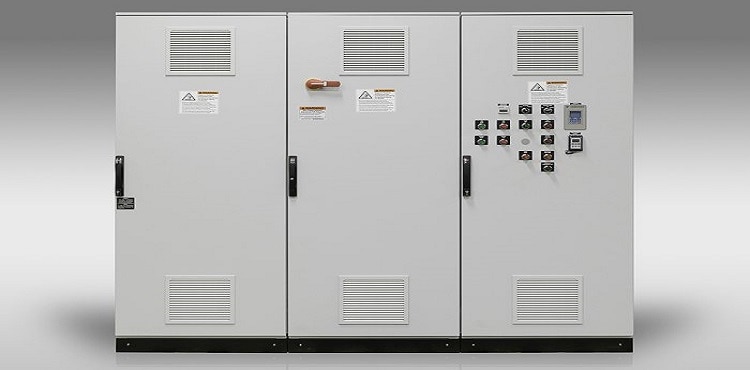 | Electrical Control Panel Manufacturer in India, Pune, Pimpri Chinchwad | Maxwell Tech Solutions Pvt. Ltd. Maxwell Tech Solutions Pvt. View product → |